How Reliable Battery Replacement Keeps Your 4WD Ready for Queensland Roads
Driving a 4WD across Queensland is all about freedom, exploration, and self-reliance. Whether you’re planning a weekend beach escape to Moreton Island, an off-road camping trip into the rainforests, or simply navigating the daily hustle around Brisbane, your rig depends heavily on one vital heart: the battery.
A healthy battery does so much more than just crank the engine. It powers your navigation, stays alive during river crossings, and acts as the lifeforce for all your touring electronics.
At Equipt 4×4, we see it all the time-battery issues are hands-down one of the most common reasons a brilliant off-road adventure grinds to a sudden, frustrating halt. Upgrading or replacing a tired battery isn’t just basic vehicle maintenance; it’s your ultimate insurance policy against getting stranded in the middle of nowhere.
Why Your 4WD Battery Works Double Time
Unlike standard passenger cars that only need a battery to start the engine and play the radio, a touring 4WD is a rolling power grid.
Think about the sheer amount of extra electrical gear your rig carries:
- High-intensity driving lights and winches pulling massive current.
- 12V portable fridges/freezers running 24/7 to keep the beers and steaks cold.
- UHF radios and GPS systems drawing constant baseline power.
- Complex dual-battery systems demanding smart charge routing.
Over time, this constant deep cycling and heavy accessory load places immense strain on standard automotive lead-acid setups. When a battery begins to fail under these conditions, it directly degrades the performance of your accessories, causes unexpected computer glitches, and leaves you vulnerable to a dead engine after a long night at camp.
The Queensland Climate: A Battery’s Worst Enemy
Our incredible sunshine comes with a serious catch: Queensland summers are brutally tough on vehicle batteries.
There is a common myth that cold weather is what kills batteries. In reality, extreme heat is the true silent killer. The blistering temperatures under a 4WD’s bonnet accelerate internal grid corrosion and cause the vital liquid electrolytes inside the battery casing to evaporate much faster.
When you combine intense ambient heat with hours of continuous highway driving, corrugated dirt tracks, and heavy accessory use, a 4WD battery will almost always need replacing much sooner than a city commuter car. If you regularly explore dusty inland tracks or remote coastlines, keeping a close eye on your battery health is non-negotiable.
Warning Signs Your Battery is Crying Out for Help
Batteries rarely die without throwing out a few subtle warning signs first. Keep an eye (and ear) out for these red flags before your next trip:
The Slow Crank: When you turn the key or push the start button, the engine hesitates, sounding sluggish and labored before finally catching.
The Dimming Effect: Your headlights look yellow instead of crisp white, or your interior cabin lights noticeably dim when you step on the accelerator or turn on the aircon.
Bizarre Electrical Gremlins: Your aftermarket GPS unit randomly restarts, the radio resets its clock, or your power windows move up and down at a snail’s pace.
The Dashboard Indicator: Modern 4WDs feature highly sensitive battery or alternator warning lights that illuminate the second voltage drops below a safe threshold.
The Calendar Check: Most quality 4WD batteries have a reliable lifespan of three to five years. If yours is cruising past the four-year mark and has survived multiple intense summers, you are living on borrowed time.
The Professional Difference: Choosing the Right Cell
When it comes to off-road touring, grab-and-go generic batteries from a local supermarket shelf simply won’t cut it. 4WD applications require specialized heavy-duty starting batteries or advanced Absorbed Glass Mat (AGM) cells engineered explicitly to handle immense vibration, extreme heat, and heavy electrical draws.
Your Self-Sustaining Safety Net
Queensland offers some of the most breathtaking remote locations in Australia, but places like the Fraser Coast or isolated outback tracks mean you are often hundreds of kilometers away from roadside assistance or mobile phone coverage.
Out there, your battery is your literal lifeline. It keeps your emergency communication equipment online, runs your recovery winch when you’re deeply bogged in soft sand, and ensures you can turn the key and drive away safely when a storm rolls in. Investing in a fresh, reliable battery before a major tour takes the anxiety out of the equation, leaving you free to focus entirely on the horizon.
Quick Battery Care Tips for the Road
To maximize the life of your new 4WD battery and avoid unnecessary wear, build these simple habits into your post-trip maintenance routine:
- Scrub the Terminals: Off-road driving kicks up mud, dust, and salt air, leading to a crusty white buildup (corrosion) on your battery terminals. Clean them regularly with a wire brush and warm water to maintain a flawless electrical connection.
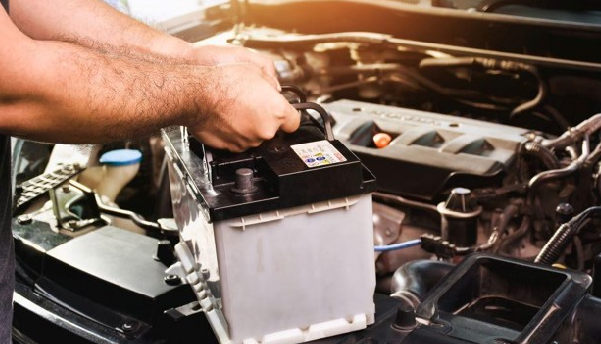
- Secure the Clamp: Corrugations will vibrate a loose battery to pieces, destroying its internal plates. Ensure your battery clamp is bolted down tightly so there is zero movement.
- Watch the Engine-Off Draws: Avoid running your camp lights, heavy stereos, or travel fridges directly off your main cranking battery while the engine is turned off. Always use a dedicated deep-cycle secondary battery for camping accessories.
- Keep It Moving: If your tourer sits idle in the garage for weeks between adventures, invest in a quality smart trickle charger to keep the battery topped up and prevent chemical sulfation.
Final Thoughts
At the end of the day, your 4WD is your ticket to exploring everything our beautiful state has to offer. Don’t let an aging, heat–exhausted battery turn an epic road trip into a costly rescue mission.
If you’re noticing a slow crank or your battery is getting up there in years, get in touch with the expert team at Equipt 4×4 today. We’ll test your charging system, evaluate your accessory loads, and drop in a premium, ultra-reliable battery built to take on the absolute best-and worst-of Queensland’s rugged roads.
FAQ
1. How often should a 4WD battery be replaced?
Most 4WD batteries last between three and five years, depending on climate, driving
habits, and accessory usage.
2. What are the signs of a failing battery?
Common signs include slow starting, dim lights, dashboard battery warnings, and
electrical issues.
3. Does Queensland heat affect battery life?
Yes, high temperatures can shorten battery lifespan by increasing internal wear and fluid
evaporation.
4. Can off-road accessories drain my battery faster?
Yes, accessories such as fridges, winches, and driving lights place additional demand on
the battery.
5. Why should I choose professional battery replacement?
Professional installation ensures the correct battery type, safe fitting, proper testing, and
reliable performance for your 4WD.